Understanding Earthmoving Equipment
Earthmoving equipment refers to a broad range of machinery used for moving large amounts of earth, digging foundations, and handling other large tasks on construction sites. These machines are designed to perform heavy-duty tasks that manual labor cannot accomplish efficiently. The types of earthmoving equipment vary based on their functionality and the specific requirements of a project.
Types of Earthmoving Equipment
Excavators
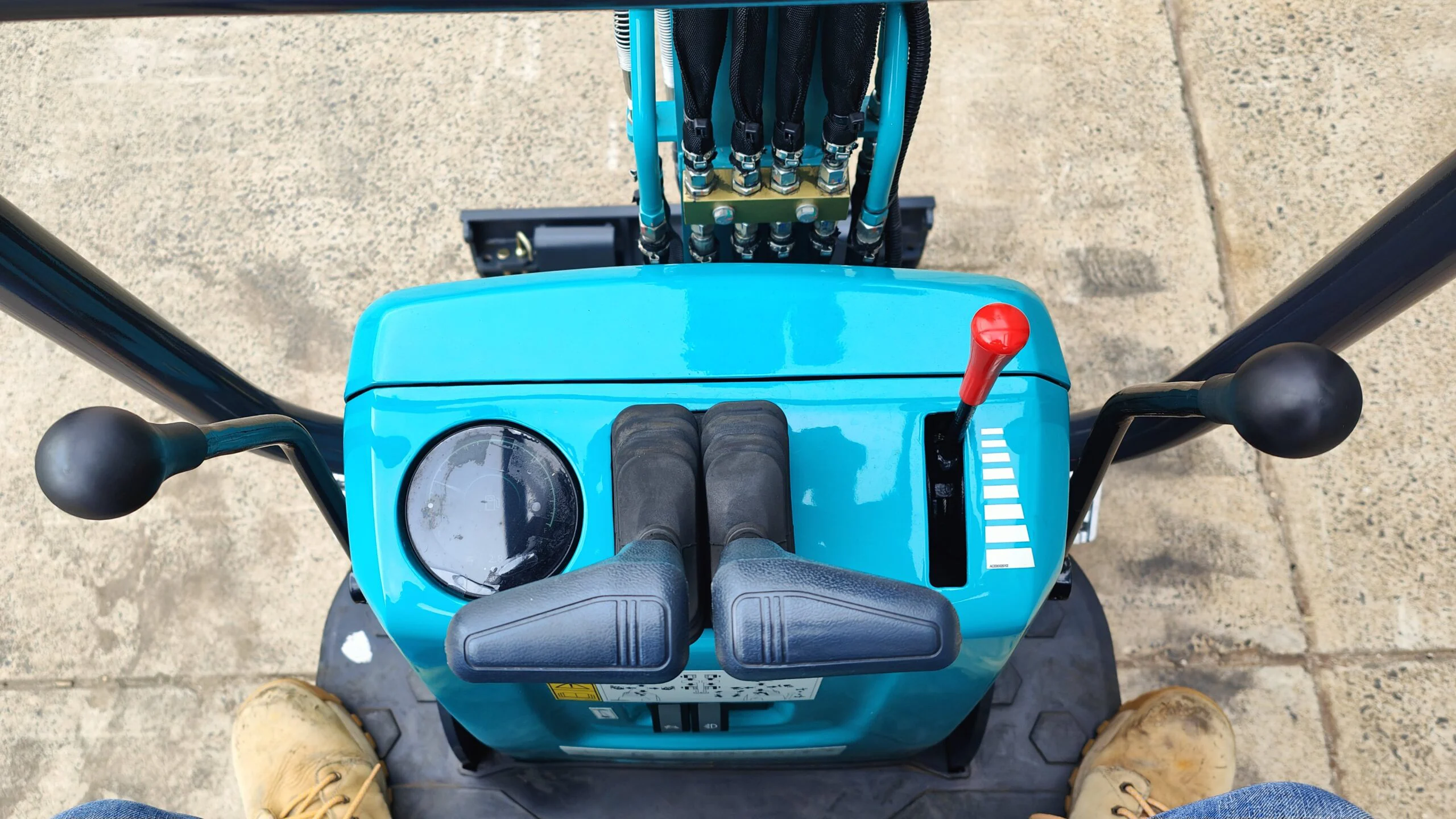
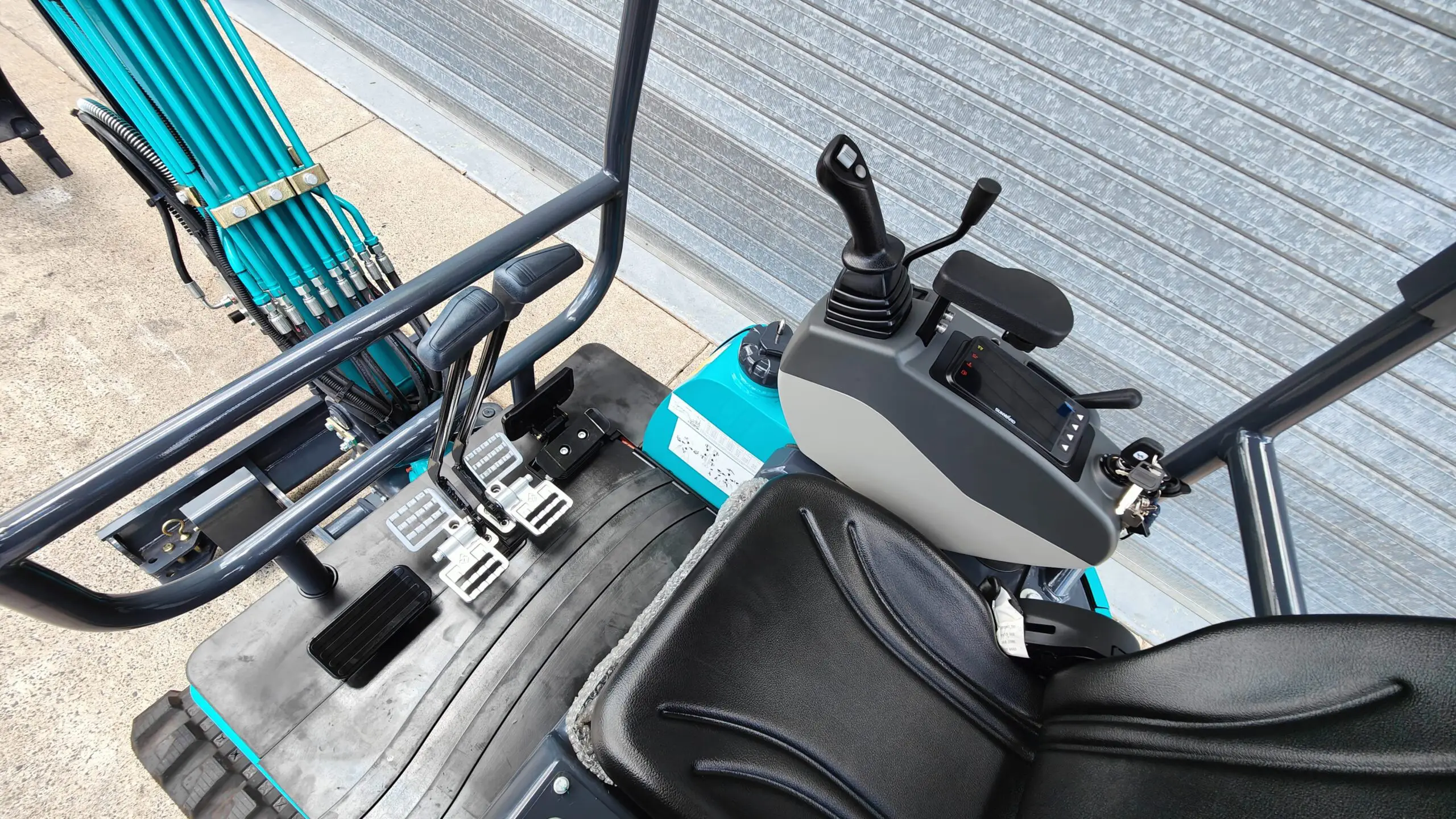
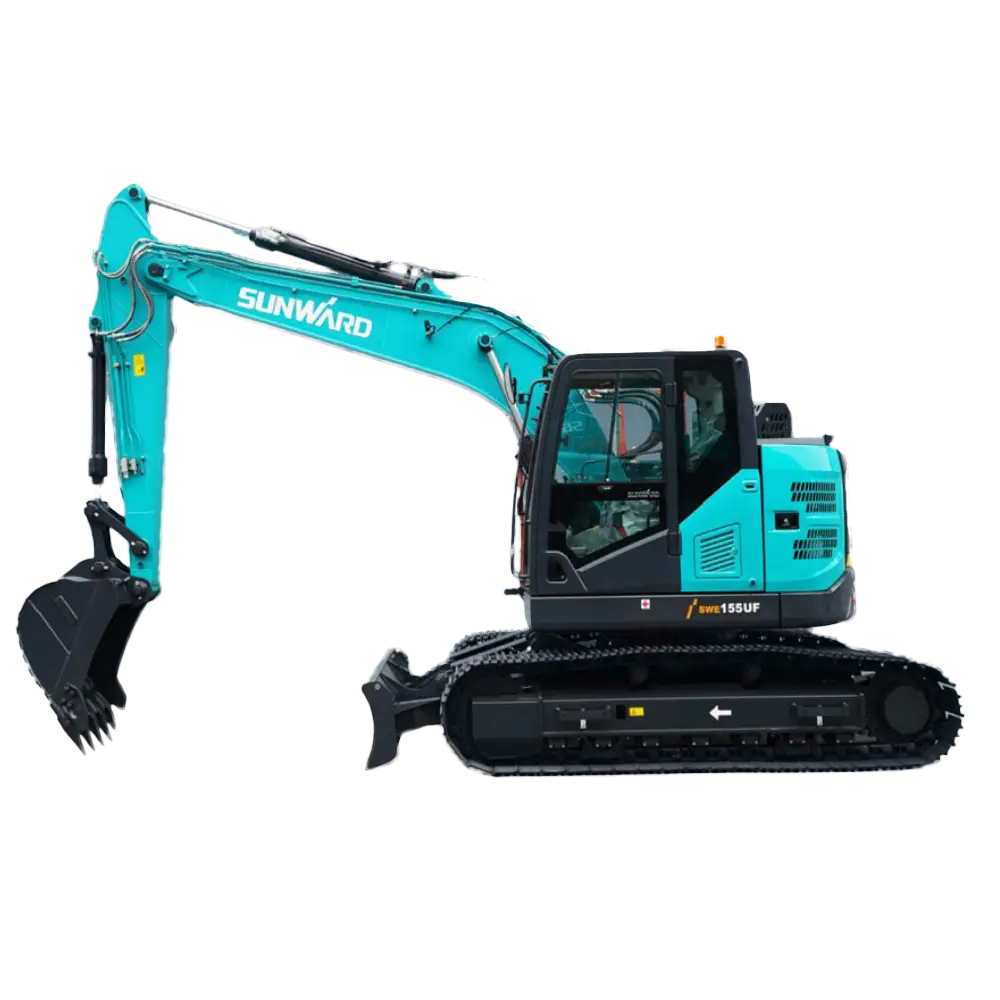
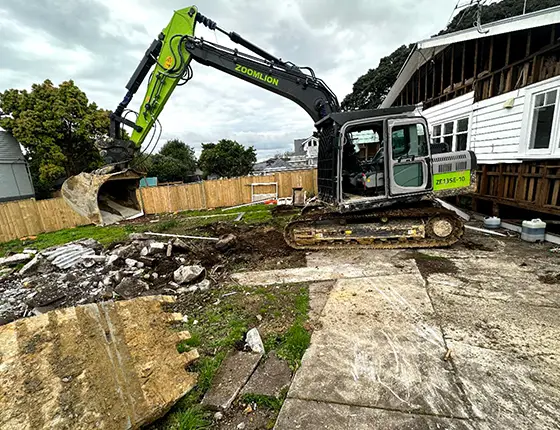
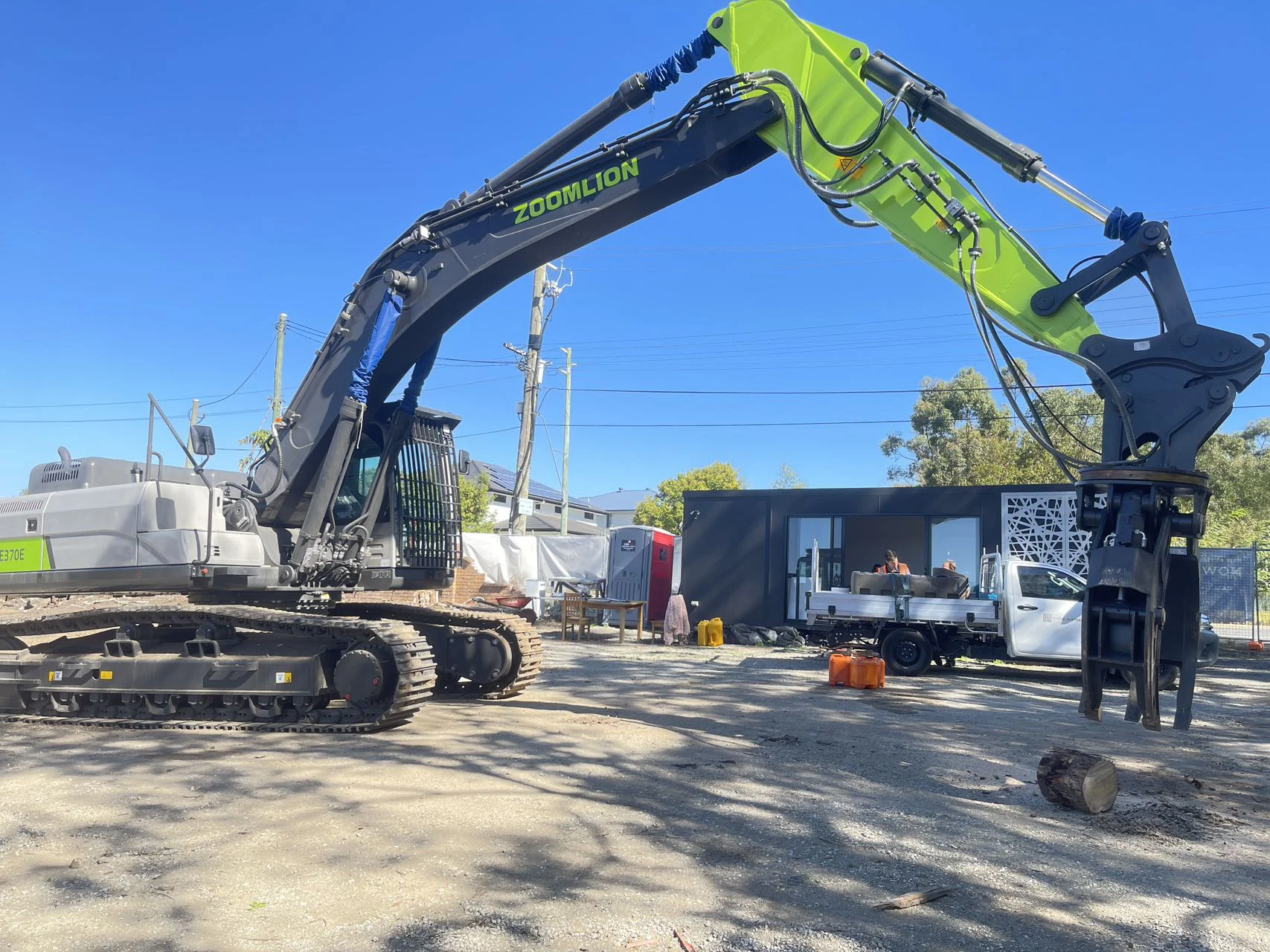
Excavators are one of the most common pieces of earthmoving equipment. They consist of a boom, dipper, bucket, and cab on a rotating platform. Excavators are primarily used for digging trenches, holes, and foundations. However, they can also be equipped with various attachments for different tasks such as cutting, crushing, and drilling.
Bulldozers
Bulldozers are powerful tracked machines equipped with a large metal blade in the front. They are primarily used for pushing large quantities of soil, sand, rubble, or other materials during construction work. Bulldozers can also be used for fine grading, moving dirt short distances, and clearing land.
Backhoe Loaders
A backhoe loader combines a loader’s bucket on the front and a backhoe on the back, making it a versatile piece of equipment. These machines are ideal for smaller jobs that require precision and the ability to operate in confined spaces. They are commonly used for digging trenches, laying pipes, and handling smaller excavation tasks.
Motor Graders
Motor graders are used for creating a flat surface during the grading process. They have a long blade that can be adjusted to meet various angles and create a smooth finish. Graders are often used for road construction, maintaining gravel roads, and preparing the base course before laying asphalt.
Skid Steer Loaders
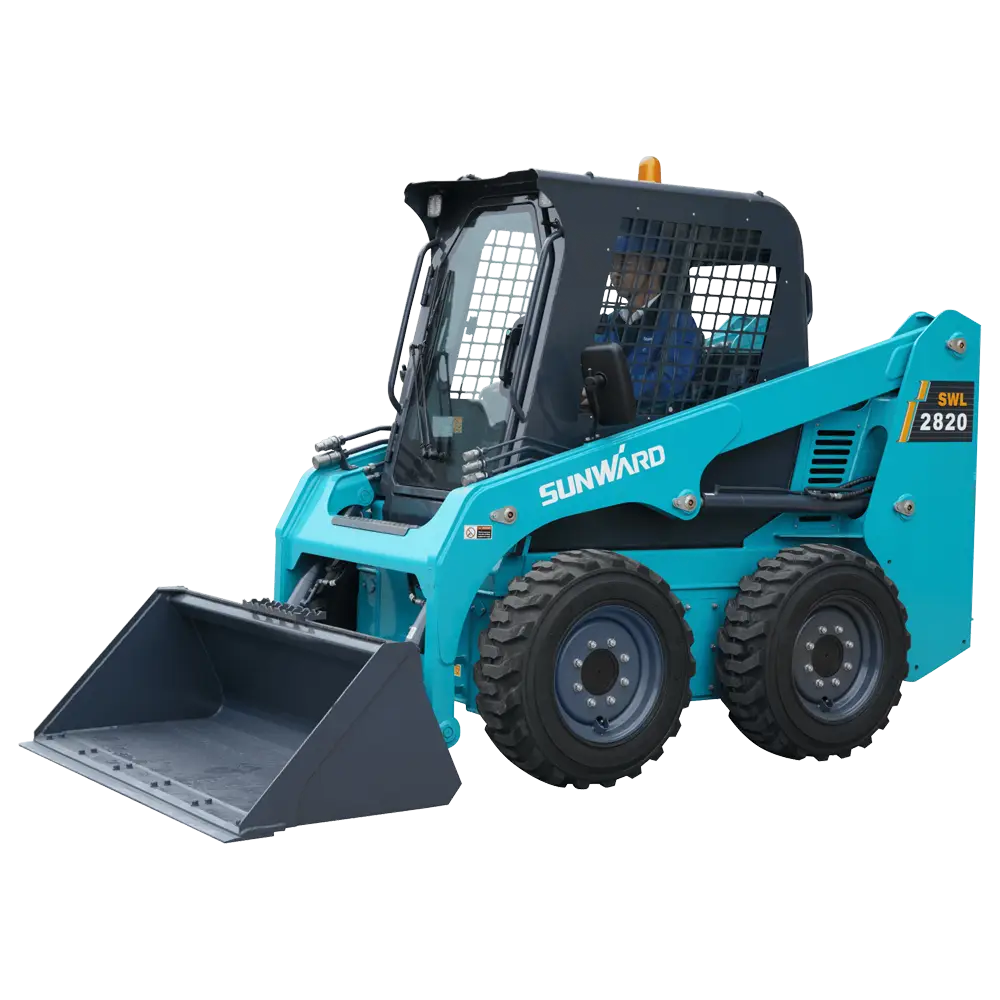
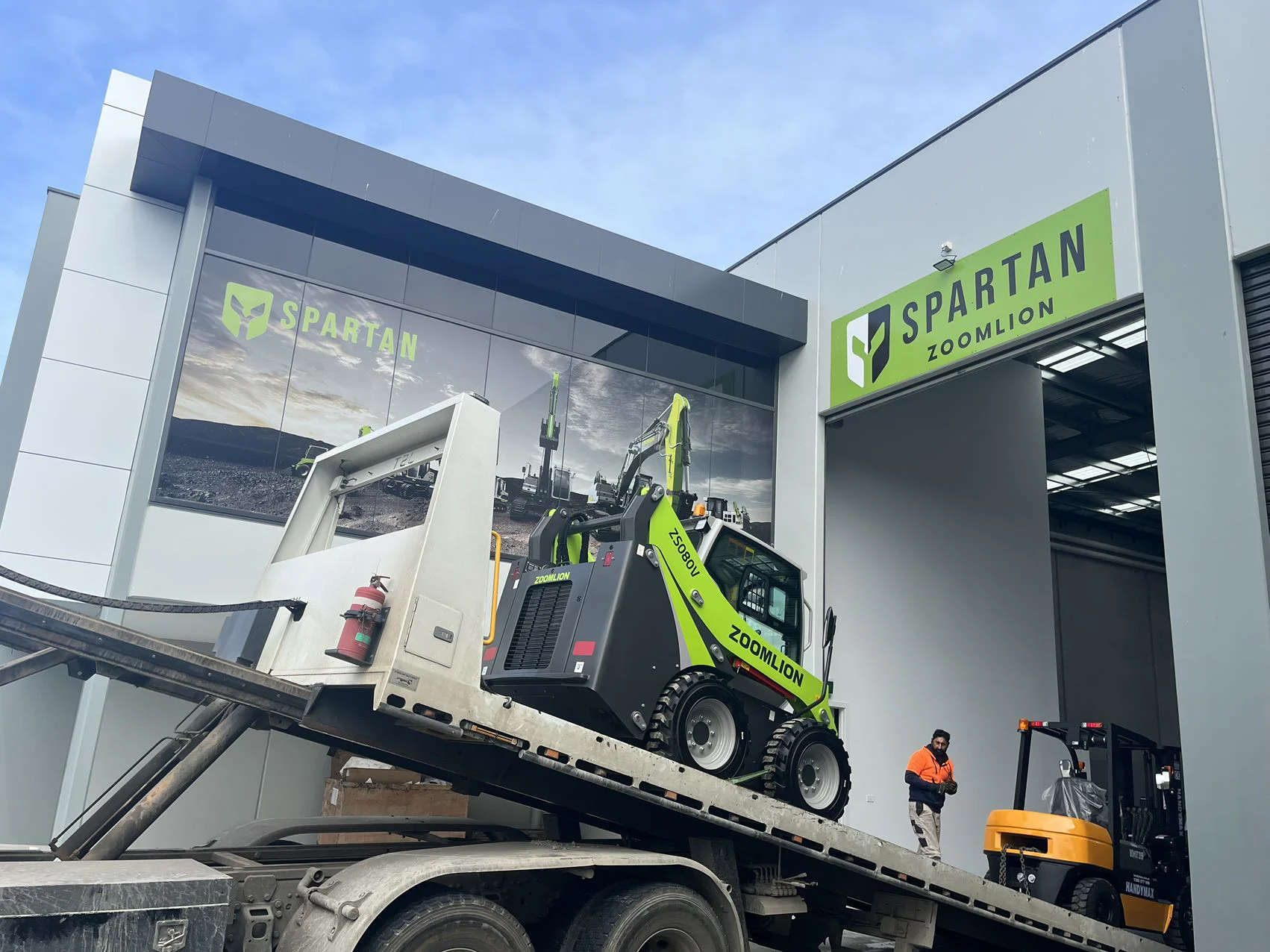
Skid steer loaders are compact, versatile machines that can turn within their own footprint, making them ideal for working in tight spaces. They are commonly used for digging, lifting, and moving materials. With a variety of attachments available, skid steer loaders can perform a wide range of tasks on a construction site.
Dump Trucks
Dump trucks are essential for transporting loose materials such as sand, gravel, or demolition waste. They are typically used in conjunction with other earthmoving equipment to remove debris from a site or deliver materials for construction.
Trenchers
Trenchers are specialised machines used for digging trenches, particularly for laying pipelines, cables, or drainage systems. They come in various sizes and types, including walk-behind models and heavy-duty tracked trenchers for large-scale projects.
Wheel Loaders
Wheel loaders, also known as front-end loaders, are versatile machines used for loading materials into trucks, laying pipe, clearing rubble, and digging. They come in various sizes to handle different types of materials and tasks.
Scrapers
Scrapers are used for earthmoving operations over long distances. They are capable of loading, hauling, and dumping material, making them highly efficient for leveling and preparing large areas of land.
Compactors
Compactors are used to compress soil, gravel, and other materials to create a solid, stable base for construction projects. They are essential for ensuring the ground is firm and capable of supporting structures.
Cranes
Cranes are used for lifting and moving heavy materials vertically and horizontally. They are essential on construction sites for tasks that require precise placement of materials at various heights.
Applications of Earthmoving Equipment
Earthmoving equipment is used in a variety of applications across different industries. Here are some of the primary uses:
Construction
In construction, earthmoving equipment is used for site preparation, digging foundations, trenching, and material handling. Machines like excavators, bulldozers, and backhoe loaders are crucial for creating the groundwork for buildings and infrastructure.
Mining
The mining industry relies heavily on earthmoving equipment for extracting minerals and ores. Large-scale machines like excavators and bulldozers are used to remove overburden and access valuable resources.
Agriculture
In agriculture, earthmoving equipment is used for tasks such as digging irrigation ditches, building ponds, and clearing land for planting. Tractors, skid steer loaders, and backhoe loaders are commonly used in this sector.
Forestry
Forestry operations utilise earthmoving equipment for tasks such as building roads, clearing land, and transporting logs. Bulldozers and excavators are often used to navigate and prepare forested areas.
Road Construction
Road construction projects require the use of various earthmoving machines for grading, paving, and compaction. Motor graders, compactors, and wheel loaders play essential roles in creating durable roadways.
The Importance of Earthmoving Equipment in Modern Construction
Earthmoving equipment has revolutionised the construction industry by increasing efficiency and productivity. These machines can perform tasks that would take manual labor days or even weeks to accomplish in a fraction of the time. Here are some key benefits of using earthmoving equipment:
Increased Efficiency
Earthmoving equipment allows construction projects to be completed faster and more efficiently. Machines like excavators and bulldozers can move large quantities of material quickly, reducing the time required for site preparation.
Cost Savings
Although the initial investment in earthmoving equipment can be significant, the cost savings over time are substantial. By reducing labor costs and increasing productivity, these machines can help keep projects within budget.
Improved Safety
Using earthmoving equipment can enhance safety on construction sites. These machines reduce the need for manual labor, which decreases the risk of injuries from heavy lifting and repetitive tasks. Additionally, modern earthmoving equipment is equipped with safety features to protect operators and other workers.
Versatility
Earthmoving equipment is highly versatile, with machines designed for specific tasks and attachments that expand their capabilities. This versatility allows construction companies to use the same equipment for multiple purposes, reducing the need for a large fleet of specialised machines.
Precision and Quality
Advanced technology in earthmoving equipment, such as GPS and laser guidance systems, allows for precise grading and excavation. This precision ensures that construction projects meet exact specifications and reduces the need for rework.
Choosing the Right Earthmoving Equipment
Selecting the appropriate earthmoving equipment for a project involves considering several factors, including the type of work, site conditions, and budget. Here are some tips to help you choose the right equipment:
Assess the Project Requirements
Understanding the specific needs of your project is crucial. Consider the type of material to be moved, the volume of work, and the conditions of the site. For example, a project requiring deep excavation will need an excavator, while a project focused on road construction might need a motor grader.
Consider Equipment Size and Capacity
The size and capacity of the equipment should match the scope of the project. Using equipment that is too small can lead to inefficiencies, while equipment that is too large may be difficult to maneuver and more costly to operate.
Evaluate Terrain and Site Conditions
The terrain and conditions of the construction site can impact the choice of earthmoving equipment. For example, tracked machines like bulldozers are better suited for rough, uneven terrain, while wheeled machines are ideal for flat, stable surfaces.
Factor in Operator Skill Level
The skill level of your operators can influence the choice of equipment. Some machines require specialised training and experience to operate safely and efficiently. Ensure that your team has the necessary skills or can receive training to use the equipment properly.
Budget Considerations
Budget is always a critical factor in selecting earthmoving equipment. While it is important to invest in high-quality, reliable machines, it is also essential to stay within budget. Consider both the initial purchase price and the ongoing costs of maintenance and operation.
Maintaining Earthmoving Equipment
Proper maintenance of earthmoving equipment is vital to ensure its longevity and optimal performance. Regular maintenance can prevent breakdowns, reduce downtime, and extend the life of the machinery. Here are some maintenance tips:
Regular Inspections
Conduct regular inspections of your equipment to identify any potential issues before they become major problems. Check for signs of wear and tear, such as cracks, leaks, and loose parts.
Scheduled Servicing
Follow the manufacturer’s recommended service schedule for routine maintenance tasks like oil changes, filter replacements, and lubrication. Keeping up with scheduled servicing can help prevent costly repairs.
Operator Training
Ensure that operators are trained to use the equipment properly and perform basic maintenance tasks. Proper operation can reduce unnecessary strain on the machinery and minimise the risk of damage.
Keep Equipment Clean
Keeping equipment clean can prevent dirt and debris from causing damage to moving parts. Regularly wash and inspect the machines to ensure they are free of contaminants.
Use Quality Parts and Fluids
Using high-quality replacement parts and fluids can extend the life of your equipment and ensure it operates efficiently. Follow the manufacturer’s recommendations for parts and fluids to maintain optimal performance.
Innovations in Earthmoving Equipment
The earthmoving equipment industry is continually evolving, with new technologies and innovations improving efficiency, safety, and environmental sustainability. Here are some recent advancements:
Telematics and GPS Technology
Telematics systems and GPS technology have revolutionised the way earthmoving equipment is used and managed. These systems provide real-time data on machine location, performance, and fuel usage, allowing for more efficient fleet management and improved productivity.
Autonomous and Remote-Controlled Equipment
Autonomous and remote-controlled earthmoving equipment is becoming more common on construction sites. These machines can operate without direct human intervention, reducing the risk of accidents and increasing efficiency.
Electric and Hybrid Machines
The development of electric and hybrid earthmoving equipment is driven by the need for more environmentally sustainable construction practices. These machines produce fewer emissions and can be more cost-effective to operate in the long run.
Advanced Safety Features
Modern earthmoving equipment is equipped with advanced safety features, such as collision avoidance systems, backup cameras, and operator assistance technologies. These features help protect operators and other workers on the site.
Frequently Asked Questions
What is the primary purpose of earthmoving equipment?
Earthmoving equipment is used for moving large amounts of earth, digging foundations, and handling other large tasks on construction sites. They are designed to perform heavy-duty tasks that manual labor cannot accomplish efficiently.
How do I choose the right earthmoving equipment for my project?
Choosing the right earthmoving equipment involves assessing the project requirements, considering the equipment size and capacity, evaluating terrain and site conditions, factoring in operator skill level, and staying within budget.
What are the benefits of using earthmoving equipment in construction?
The benefits of using earthmoving equipment in construction include increased efficiency, cost savings, improved safety, versatility, and precision.
How can I maintain my earthmoving equipment?
Maintain your earthmoving equipment by conducting regular inspections, following the manufacturer’s recommended service schedule, ensuring operators are trained, keeping the equipment clean, and using quality parts and fluids.
What innovations are shaping the future of earthmoving equipment?
Innovations shaping the future of earthmoving equipment include telematics and GPS technology, autonomous and remote-controlled equipment, electric and hybrid machines, and advanced safety features.
Why is proper maintenance of earthmoving equipment important?
Proper maintenance is important to ensure the longevity and optimal performance of earthmoving equipment. Regular maintenance can prevent breakdowns, reduce downtime, and extend the life of the machinery.
Conclusion
Earthmoving equipment is indispensable in modern construction and various other industries. From excavators to bulldozers, these powerful machines enable us to undertake projects that would be impossible with manual labor alone. By understanding the different types of earthmoving equipment, their applications, and the importance of proper maintenance, construction professionals can make informed decisions and optimise their operations. As technology continues to advance, the capabilities of earthmoving equipment will only improve, making our work more efficient, safer, and environmentally friendly.
For more information on earthmoving equipment and to explore a wide range of high-quality machinery, visit Hm Spartan Machinery.