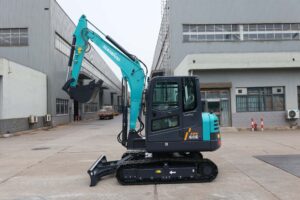
Are you in the market for a small excavator, but feeling overwhelmed by the numerous options available? Look no further! In this ultimate guide, we will help you choose the perfect small excavator for your project. Whether you’re a DIY enthusiast looking to tackle a landscaping project or a construction professional in need of a versatile and compact machine, we’ve got you covere
Finding the right small excavator can be a game-changer for your project’s success. It’s important to consider factors such as size, horsepower, digging depth, and maneuverability. With our expert advice and comprehensive analysis, you’ll be able to make an informed decision and select a small excavator tailored to your specific needs.
We understand that choosing the perfect machinery can be a daunting task, which is why we’ve simplified the process for you. Our guide will walk you through the essential features to consider and provide valuable tips to ensure you find the small excavator that checks all the boxes.
Get ready to make your project a breeze with the perfect small excavator! Let’s dive in and find your ideal match.
Factors to consider when choosing a small excavator
When choosing a small excavator, several factors come into play. These factors will help you determine the right machine for your specific project requirements. Let’s take a closer look at each of these factors:
1. Size: One of the first considerations when choosing a small excavator is the size. Small excavators come in various sizes, and it’s important to select the right size based on the scale of your project. A larger machine may offer more power and reach, but it may not be suitable for tight spaces or smaller projects. Conversely, a smaller excavator may lack the power needed for heavy-duty tasks. Assess the size of your project and choose a small excavator that strikes the right balance between size and capability.
2. Horsepower: The horsepower of a small excavator determines its digging and lifting capacity. Higher horsepower means more power to tackle demanding tasks. Consider the type of work you’ll be doing and choose a small excavator with sufficient horsepower to handle the workload. It’s important to find the right balance between power and fuel efficiency to optimise your project’s productivity.
3. Digging depth: The digging depth of a small excavator refers to the maximum depth it can reach when digging. This is an important factor to consider, especially if you have specific depth requirements for your project. Whether you’re excavating for a foundation or digging trenches, make sure the small excavator you choose can meet the required digging depth.
4. Maneuverability: Small excavators are known for their maneuverability, which makes them ideal for projects with limited space or complex terrain. Consider the maneuverability features of a small excavator, such as the swing radius and compact design. These features will allow you to navigate tight areas with ease and maximise your productivity on the job site.
Now that we’ve covered the key factors to consider, let’s explore the different types of small excavators available.
Mini Excavator vs Small Excavator
Small excavators come in various types, each designed for specific tasks and project requirements. Understanding the different types will help you choose the most suitable machine for your needs:
In the realm of construction and excavation, the terms “mini excavators” and “small excavators” often lead to a bit of confusion, particularly when discerning the differences between the two. Mini excavators, typically categorised by their operating weight of less than 6 tonnes, are renowned for their compact size and remarkable versatility. This lightweight construction machinery is especially favoured for tasks within constrained spaces where larger equipment simply can’t fit. In Australia, these machines are a common sight in urban construction sites, landscaping projects, and small-scale excavation tasks. Their compact dimensions, coupled with their ability to rotate 360 degrees, make them ideal for a variety of tasks, including digging, lifting, and site preparation, without causing significant disruption to surrounding areas.
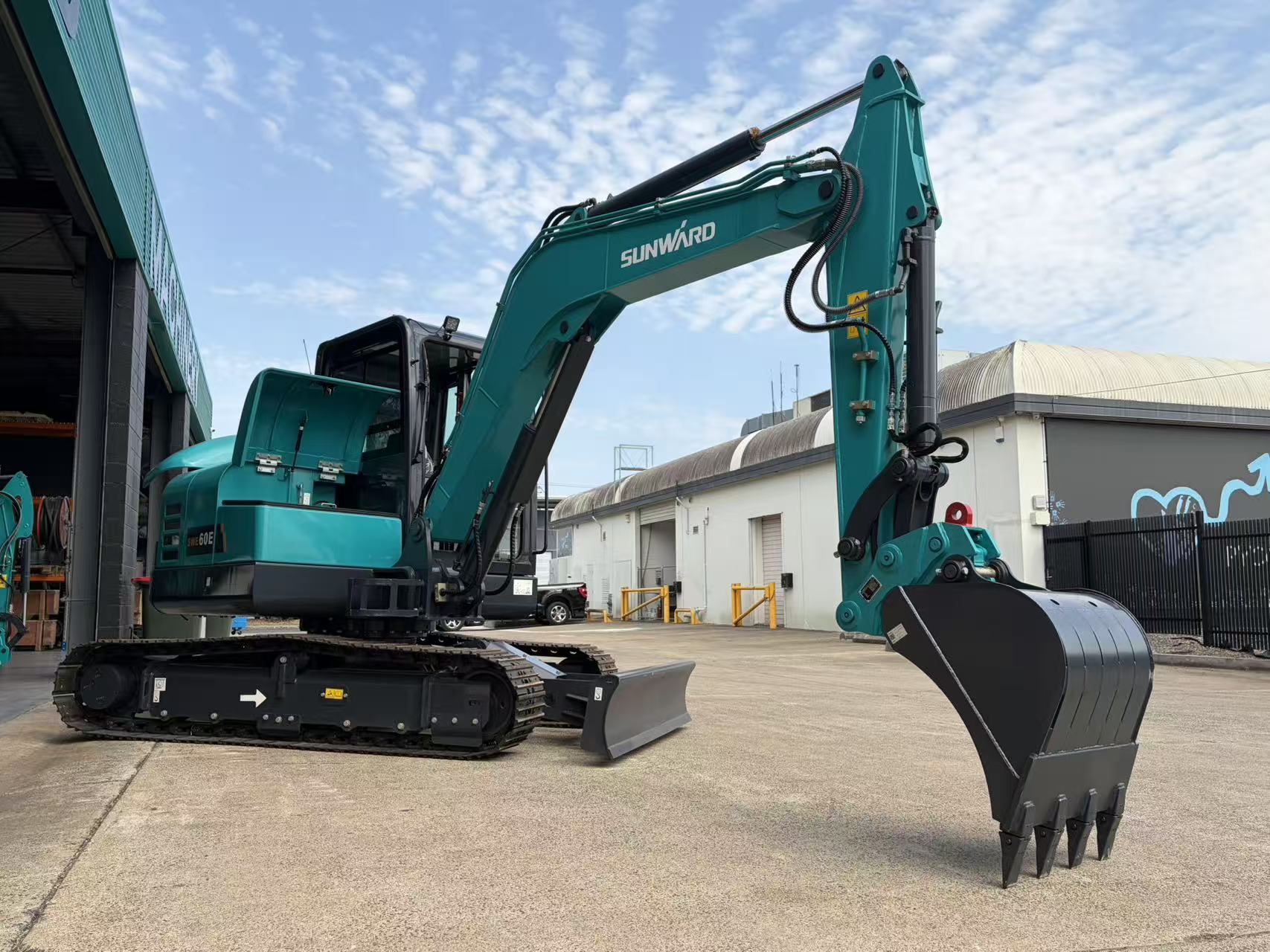
Small excavators, on the other hand, sit slightly above mini excavators in terms of size and capacity, usually falling in the 6 to 10 tonnes weight category. While still considered compact, small excavators offer enhanced power and deeper digging capabilities compared to their mini counterparts. This makes them suitable for projects that demand a bit more heft and depth, such as residential construction with more extensive excavation needs or small to medium-sized civil works. In the Australian context, small excavators strike a balance between the manoeuvrability of mini excavators and the performance of their larger peers. They provide a practical solution for contractors who need a bit more power than a mini excavator can provide but must work within the operational constraints posed by urban or semi-urban environments.
Now that you are familiar, let’s move on to determining the right size for your project.
Determining the right size of small excavator for your project
Choosing the right size of a small excavator is crucial to ensure optimal performance and productivity on your project. Here are some factors to consider when determining the size:
1. Project scope: Assess the scale and complexity of your project. Smaller projects may require a mini excavator, while larger projects may benefit from a slightly larger machine. Consider the amount of digging, lifting, and maneuvering required to determine the appropriate size.
2. Access constraints: Evaluate the access points and space available on your job site. If you have limited access or tight spaces to work in, a smaller excavator with enhanced maneuverability may be the best choice. On the other hand, if you have ample space and unrestricted access, you can consider a larger machine.
3. Weight restrictions: Check if there are any weight restrictions or regulations in place for your project. Some projects may have limitations on the weight of machinery that can be used. Ensure that the small excavator you choose complies with these restrictions.
By considering these factors, you’ll be able to determine the right size of small excavator for your project. Next, let’s explore the features and attachments to look for in a small excavator.
Features and attachments to look for in a small excavator
Small excavators come with a variety of features and attachments that can enhance their versatility and performance. Here are some key features and attachments to consider when choosing a small excavator:
1. Quick coupler: A quick coupler allows for easy and rapid attachment changes. It enables you to switch between different attachments, such as buckets, thumbs, and hammers, without the need for manual tools. A quick coupler can significantly increase your productivity by reducing downtime and improving efficiency.
2. Auxiliary hydraulics: Small excavators equipped with auxiliary hydraulics offer the ability to power additional attachments. This feature allows you to connect hydraulic tools, such as augers or grapples, to expand the machine’s capabilities. Consider the availability and compatibility of auxiliary hydraulics when selecting a small excavator.
3. Adjustable tracks: Some small excavators come with adjustable tracks that can be expanded or retracted to match the terrain and provide stability. This feature is particularly useful when working on uneven ground or in narrow spaces. Adjustable tracks offer improved traction, maneuverability, and reduced ground disturbance.
4. ROPS and FOPS: ROPS (Roll-Over Protective Structure) and FOPS (Falling Object Protective Structure) are safety features that protect the operator in the event of a rollover or falling objects. Ensure that the small excavator you choose is equipped with these safety features to prioritise the well-being of the operator on your project.
Considering these features and attachments will help you select a small excavator that meets your specific needs and enhances your project’s efficiency. But before making a decision, it’s essential to consider the budget implications of purchasing or renting a small excavator.
Budget considerations for purchasing or renting a small excavator
When it comes to small excavators, budget considerations play a significant role in the decision-making process. Whether you choose to purchase or rent a small excavator, here are some key factors to keep in mind:
1. Purchase cost: If you plan to purchase a small excavator, consider the upfront purchase cost. Prices can vary depending on the brand, model, size, and features of the machine. Research different options and compare prices to ensure you stay within your budget.
2. Financing options: If the purchase cost is beyond your immediate budget, explore financing options. Many manufacturers and dealers offer financing plans that allow you to spread out the cost over time. Consider the interest rates, repayment terms, and any additional fees associated with financing.
3. Rental cost: Renting a small excavator can be a cost-effective solution, particularly for short-term projects or when you don’t require the machine on a regular basis. Compare rental rates from different suppliers and consider the duration of your project to determine if renting is a more economical choice for you.
4. Maintenance and operating costs: In addition to the initial purchase or rental cost, factor in the ongoing maintenance and operating costs. Small excavators require regular maintenance, including servicing, fuel, and lubricants. Consider these costs when evaluating the long-term affordability of owning or renting a small excavator.
By carefully considering your budget and weighing the costs against the benefits, you’ll be able to make an informed decision that aligns with your financial resources. Now, let’s explore some top small excavator brands and models to guide your selection process.
Maintenance and care for small excavators
Proper maintenance and care are essential to ensure the longevity and performance of your small excavator. Here are some key maintenance practices to follow:
1. Regular inspections: Conduct regular inspections of your small excavator to identify any issues or potential problems. Check for leaks, loose bolts, worn-out components, and any signs of wear and tear. Address these issues promptly to avoid further damage.
2. Fluid checks and changes: Regularly check and change the fluids in your small excavator, including engine oil, hydraulic fluid, and coolant. Follow the manufacturer’s recommendations for the appropriate intervals and types of fluids to use.
3. Greasing and lubrication: Keep your small excavator properly lubricated by greasing the joints and moving parts as recommended by the manufacturer. This will reduce friction, prevent premature wear, and ensure smooth operation.
4. Cleaning and storage: Clean your small excavator regularly to remove dirt, debris, and rust. This will help maintain its appearance and prevent corrosion. When not in use, store the machine in a dry and secure area to protect it from the elements.
By following these maintenance practices, you’ll keep your small excavator in top shape and minimise the risk of breakdowns or costly repairs. Now, let’s wrap up this guide with a conclusion and some final tips for choosing the perfect small excavator.
Final tips for choosing the perfect small excavator
Choosing the perfect small excavator for your project is a crucial decision that requires careful consideration. By evaluating factors such as size, horsepower, digging depth, and maneuverability, you can narrow down your options and find the machine that best suits your needs. Remember to also consider your budget, explore different brands and models, and assess the maintenance requirements before making a final decision.
Here are some final tips to guide you in choosing the perfect small excavator:
1. Research and compare: Take the time to research and compare different options. Read reviews, consult experts, and gather as much information as possible to make an informed decision.
2. Test and demo: Whenever possible, test or demo the small excavator before making a purchase or rental commitment. This will give you firsthand experience and help you determine if the machine meets