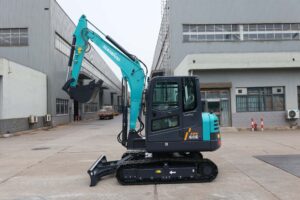
What Is an Excavator?
An excavator is a heavy construction machine used primarily for digging, lifting and moving large volumes of material. It is one of, if not the most common of all construction vehicles, being used in landscaping, demolition projects and almost all other construction projects.
Who are Spartan Machinery?
Spartan Machinery is Australia’s leading provider of high-quality machinery and equipment. We cover sales, service, and support for the construction, mining, and industrial sectors, offering a comprehensive range of advanced and reliable equipment tailored to meet the most demanding situations.
- Industry Expertise and Experience
- Comprehensive Service and Support
- Extensive Spare Parts Inventory
- Customer-Orientated Service
- Flexible sales, leasing and financing options.
- Construction vehicles such as excavators for Sale or hire
What Are the Distinctive Characteristics of an Excavator?
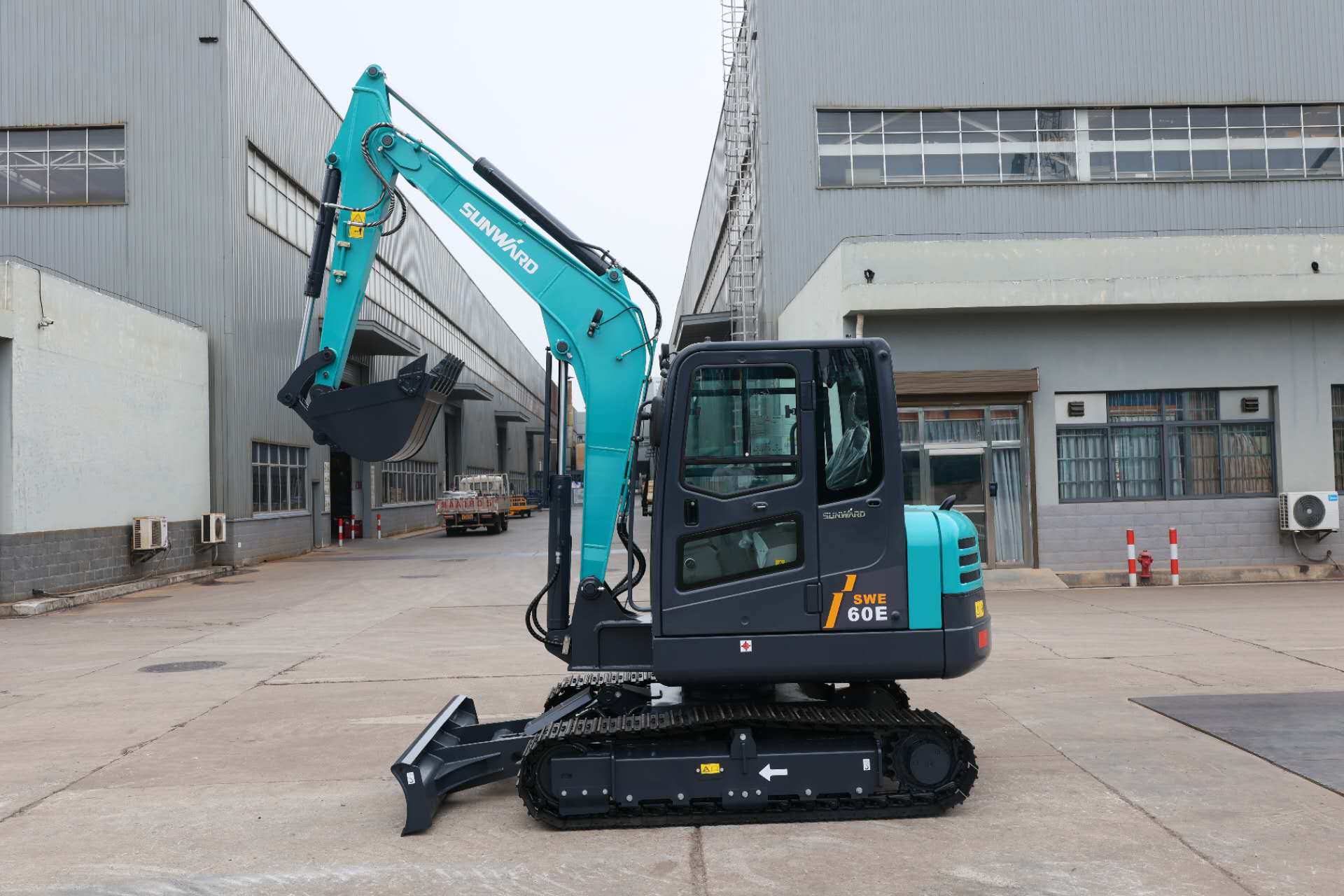
An excavator consists of several key components:
- A rotating cab mounted on a platform. This should rotate the full 360 degrees.
- The long articulator arm/boom arm.
- The bucket, or other attachment, on the end of the arm.
- Tracks or heavy-duty wheels, to provide stability and traction on uneven or soft ground.
Excavators are valued for their versatility. While digging is their primary function, they can also be fitted with various attachments to perform specialised tasks, making them an essential piece of equipment on many job sites.
How Is an Excavator Different from a Digger?
People may use the terms “excavator” and “digger” interchangeably. But there is a distinction to be made. differences. An excavator is a type of digger. There are other types of digging machines.
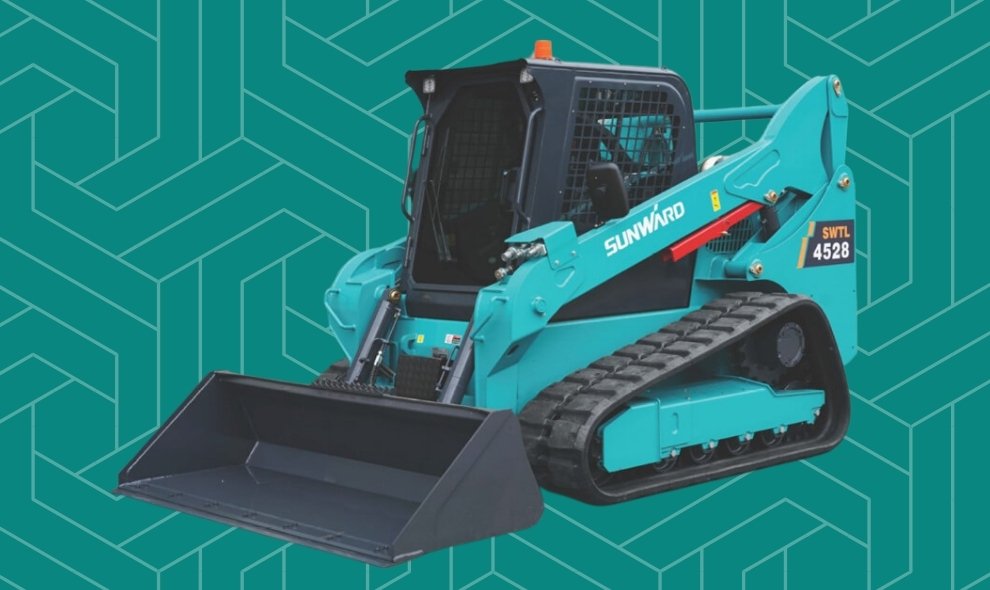
The excavator will always have the long arm and bucket (or other attachment). This is distinct from other diggers, which have a wide bucket on the front of the vehicle. Additionally, the excavator will have a rotating cab. It is a considerable help when hiring or purchasing equipment to use the correct terminology.
What Is a Medium-Sized Excavator?
Excavators come in a range of sizes, roughly corresponding to the size of the tasks they perform. Basically, there are mini, medium and large excavators. The medium-sized might weigh anywhere between 10 and 25 tonnes. These vehicles typically feature stronger hydraulic systems, larger buckets, greater digging depth and higher lifting capacities than compact models. They offer a balance between power and manoeuvrability, being significantly more powerful than the mini excavator, but not as bulky or difficult to transport as a large excavator. This makes them suitable for a wide range of commercial and civil applications. They are the most common excavator for inner city construction projects, where they can be transported by road. Larger excavators are more common on outback mining sites.
What Attachment Options Are Available?
One of the main advantages of a medium-sized excavator is its ability to use a range of different attachments. A different attachment allows the same machine to perform a range of different tasks.
Common attachment options include:
- Buckets: the most commonly used attachment, these buckets are used for digging, trenching and shaping. There are various sizes and designs, including general-purpose buckets, trenching buckets and mud buckets.
- Hydraulic hammers (rock breakers): Used for breaking concrete, rock or other hard materials during demolition or site preparation.
- Augers: Ideal for drilling holes for posts, footings or foundations.
- Grapples: Used for handling debris, logs or scrap materials.
- Rippers: Designed to break up compacted soil or hard ground.
- Tilt buckets and tiltrotators: Allow more precise grading and shaping of surfaces.
We may need fewer machines and vehicles on a site if we use a excavator, as the excavator with changeable attachments can perform the function of several different machines.
Where Would a Medium-Sized Excavator Be Used?
Medium excavators are commonly used across a range of industries due to their versatility and capacity.
Typical applications include:
- Road construction and civil works: Excavating trenches for drainage, utilities and foundations.
- Commercial building projects: Site preparation, bulk earthworks and footings.
- Residential developments: Clearing land, digging footings and landscaping preparation.
- Demolition projects: Removing structures when fitted with hydraulic breakers or grapples.
- Infrastructure projects: Installing pipelines, stormwater systems and underground services.
Most construction managers quickly realise the good sense in using a medium-sized excavator. They provide more power than a mini excavator, but require less working or access space than a very large excavator.
What Should Be Considered When Buying or Hiring an Excavator?
Selecting the right excavator requires careful consideration of several factors.
Project Requirements
The size and scope of the job should guide the machine selection. Consider digging depth, lifting capacity and the type of material being handled. Overestimating can lead to unnecessary cost, while underestimating can reduce efficiency and increase project time.
Site Conditions
Access, ground conditions and available space are critical. Narrow or confined sites may limit machine size. Soft or unstable ground may require tracked machines for better stability.
Transport and Logistics
Medium-sized excavators require appropriate transport equipment and may involve additional permits depending on local regulations. These factors should be accounted for in planning and budgeting.
Attachment Compatibility
Ensure the excavator can accommodate the attachments required for the project. Hydraulic flow rates and coupler systems must be compatible.
Budget and Duration
For short-term projects, hiring is almost certainly more cost-effective than purchasing. For businesses with ongoing earthmoving requirements, ownership may provide long-term value.
Maintenance and Support
When purchasing, consider the availability of parts, servicing support and warranty options. For hire equipment, ensure the provider maintains machines to a high standard and offers technical support if needed.
Conclusion
A medium-size excavator vehicle remains one of the most useful machines in a wide range of construction and civil projects. They can perform digging and other tasks far faster and more economically than a group of labourers, while still being modest-sized and transportable to most sites. By understanding what an excavator can do, and exactly what you need for your project, you can plan ahead and find the best excavator vehicle for your worksite situation.